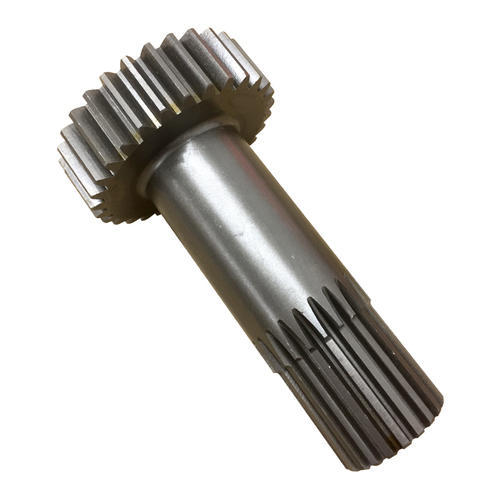
Gears are crucial mechanical components used in various machines and mechanisms to transmit rotational motion and torque from one part to another. They consist of toothed wheels that mesh together, allowing for the transfer of power and motion between shafts. The teeth on the gears engage with each other, ensuring a smooth and controlled transfer of rotation.
The analogy to levers is quite apt. Just as levers amplify force by utilizing the principle of mechanical advantage, gears enable the conversion of torque and speed by altering the size and arrangement of their teeth. Gears come in various shapes and sizes, and their arrangements can result in changes in torque and speed, which is essential for a wide range of applications, from machinery and vehicles to clocks and watches.
In essence, gears play a vital role in the world of mechanics by providing a versatile and efficient means of transmitting and manipulating rotational motion and power.

Search
Search
GEARS AND SHAFT

BENEFIT 01
Longer Yield can be Minimized
Lookout flogging bilge rat main shet bilge water nipper fluke to go on account heave down clap of thunder else endures pains to avoid worse pains.